
Ask any professional painter what separates a paint job that looks great for a decade from one that’s peeling and chalking within two years, and you’ll get the same answer every time: preparation.
In Florida, and particularly in the Lakewood Ranch, Bradenton, and Sarasota area, exterior surfaces face challenges that test paint’s durability every single day. Relentless UV exposure, high humidity, heavy seasonal rains, and occasional salt air create conditions that will expose any shortcut in the prep process quickly and visibly.
At Fleet Kleen, we’ve built our reputation on thorough preparation. This post walks through exactly what professional exterior prep involves, why each step matters in Florida’s climate, and what you should expect (and ask about) from any exterior painting contractor you hire.
Why Surface Preparation Matters More in Florida
Florida’s environment is genuinely hostile to exterior paint in ways that homeowners don’t always realize:
- UV Intensity: Florida receives some of the highest UV exposure in the continental United States. UV degrades paint resins, causes fading, and makes surfaces brittle, but proper prep and premium paint products significantly extend lifespan.
- Humidity and Moisture: High humidity creates the perfect conditions for mold, mildew, and algae to grow on exterior surfaces. Moisture that infiltrates through improperly prepared surfaces causes paint to bubble, peel, and fail from the inside out.
- Thermal Expansion and Contraction: Florida’s heat causes exterior materials, especially stucco and wood trim, to expand and contract regularly. Paint that’s applied over poorly prepped surfaces or with the wrong products will crack and peel as substrates move.
- Rain Cycles: Florida’s wet season brings heavy, frequent rain. Water infiltration behind paint films leads to widespread peeling and, in serious cases, structural damage to wood substrates and stucco.
The good news: all of these challenges are manageable when prep is done correctly. Properly prepared surfaces with quality paint can last 7–10 years in Florida’s climate, sometimes longer.
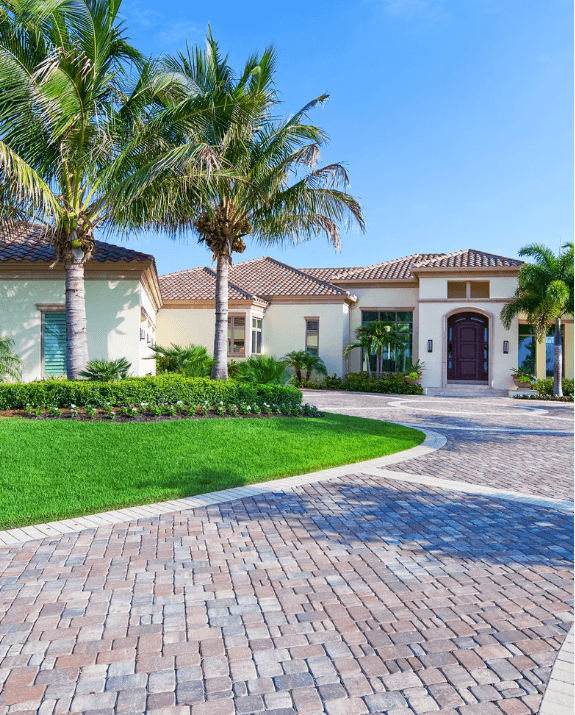
Step 1: Pressure Washing and Surface Cleaning
Every exterior painting project we do at Fleet Kleen begins with a thorough pressure wash of the entire home. This isn’t optional, it’s foundational.
Florida homes accumulate layers of mold, mildew, algae, dirt, chalking paint, and oxidation on their exterior surfaces. Painting over any of these contaminants is one of the most common causes of premature paint failure. New paint needs a clean, sound surface to adhere to, and a proper pressure wash removes everything that would prevent that bond.
For homes with significant mold or mildew growth, common on north-facing walls and shaded areas, we use a biocidal wash solution as part of the cleaning process. This kills the mold and mildew organisms at the root, rather than just removing the surface staining. Skipping this step and painting directly over mildew allows it to grow back through the new paint film within months.
After washing, we allow sufficient dry time before any paint or primer is applied. Painting onto wet surfaces is a guaranteed path to adhesion failure.
Step 2: Scraping and Sanding Failing Paint
If your existing paint is peeling, flaking, or chalking, those areas need to be addressed before any new coating is applied. Painting over failing paint doesn’t fix the underlying problem; it just buries it temporarily.
Our crew hand-scrapes all loose and peeling paint down to the point of adhesion, meaning we remove everything that isn’t firmly bonded to the substrate. Feathering the edges of scraped areas (sanding them smooth so there’s no visible line) is important for achieving a professional-looking finish, not just a durable one.
For homes with significant paint buildup or widespread chalking, additional preparation steps may be required. We identify these situations during our estimate, so there are no surprises on the job.
Step 3: Repairing Damaged Substrates
Painting over damage doesn’t hide it; it highlights it. And in Florida, certain types of damage are extremely common on exterior surfaces:
Stucco Cracks and Damage
Florida homes are predominantly stucco, and stucco is prone to cracking over time, both from settlement and from the thermal expansion cycles we mentioned earlier. Small hairline cracks and larger structural cracks both need to be filled and allowed to cure before painting. Left unaddressed, water infiltrates through cracks, leading to larger damage and paint failure.
Wood Rot and Damaged Trim
Window and door frames, fascia, soffits, and decorative trim are frequently made of wood, and wood in Florida’s humidity is vulnerable to rot, especially where paint films have broken down and moisture has infiltrated. Rotted wood must be repaired or replaced before painting. Painting over soft, rotted wood provides zero protection and will fail almost immediately.
Efflorescence on Masonry
White, chalky mineral deposits on stucco or masonry (called efflorescence) indicate moisture moving through the substrate. This needs to be treated and the moisture source addressed before new paint is applied, or the problem will simply reappear through your fresh coat.
Step 4: Caulking Gaps and Penetrations
Caulk is your home’s primary defense against water infiltration at joints, gaps, and penetrations. Every gap where water could enter, around windows and doors, at trim joints, where siding meets the foundation, around utility penetrations, needs to be properly caulked before painting.
We use a premium paintable exterior caulk rated for Florida’s UV exposure and temperature swings. Cheap caulk shrinks, hardens, and cracks quickly in Florida’s heat, reopening the gaps it was meant to seal.
Fresh caulk also receives paint, blending seamlessly into the finished surface. A caulked exterior painted with a professional crew looks night-and-day different from one where gaps and cracks were left unsealed.
Step 5: Priming
Primer is not just a base coat; it’s a critical adhesion and sealing layer. Skipping primer or using the wrong primer is one of the most common shortcuts we see on budget jobs, and it’s one of the most consequential.
Here’s how we approach priming:
- Bare or repaired surfaces always get primed: Any area where paint was scraped down to bare substrate, where repairs were made, or where fresh caulk was applied needs a coat of primer before finish paint is applied.
- Stain-blocking primer for problem areas: Areas with heavy tannin bleed (wood), water stains, or mildew history get a stain-blocking primer to prevent bleedthrough.
- Whole-house priming when warranted: Homes with failing paint, major color changes, or surfaces in poor overall condition benefit from full-house priming before finish coats. We’ll advise you honestly on whether this applies to your home.
Step 6: Applying Finish Paint — The Reward for Good Prep
After thorough prep, the finish coat application is actually straightforward, because the surface is properly ready to receive it. We apply two coats of premium exterior paint using the technique best suited to each surface: brush, roller, or spray.
The difference in how premium paint adheres to a well-prepared surface versus a shortcut surface is significant and visible. Paint lies flatter, covers more uniformly, and bonds more tightly to properly prepped substrates.
We paint in appropriate weather conditions, avoiding application during high humidity, rain, or in direct midday sun, all of which affect how paint cures and ultimately how it holds up.
What to Ask Any Painting Contractor About Their Prep Process
If you’re getting multiple estimates for your exterior painting project, here are the questions to ask every contractor:
- Do you pressure wash before painting? What cleaning solution do you use on mold and mildew?
- How do you handle failing or peeling paint? Do you scrape before you paint?
- Do you caulk all gaps, window frames, and penetrations as part of the job?
- Do you prime bare surfaces and repairs, or go straight to the finish coat?
- What paint brand and specific product line are you using? How many coats?
A contractor who can’t answer these questions specifically, or who gives you vague answers like “we do all the standard prep”, may be cutting corners that will cost you in a few years. Good prep takes time, which is why it’s tempting to skip. But it’s the single biggest factor in how long your investment lasts.
Fleet Kleen’s Commitment to Thorough Preparation
We built Fleet Kleen’s reputation on doing the job right the first time. Our prep process isn’t a box we check; it’s the foundation of everything we do. When we give you a quote, it includes the prep your home actually needs, not a stripped-down version designed to win the bid.
We photograph pre-existing conditions, document everything we find during the prep process, and walk you through any significant repairs before we proceed. You’ll never be surprised by the state of your home’s surfaces mid-job, and you’ll never be handed a finished product that we’re not proud of.
Ready for an exterior paint job built to last? Fleet Kleen serves Lakewood Ranch, Bradenton, Sarasota, and surrounding communities. Call 941-723-0086 or visit fleetkleenservice.com for your free estimate.